First Principle Agent: An AI Maker Workshop for Middle Schoolers Ongoing
A personal teaching project outside campus: a weekly after-school workshop I design and teach, where 7th and 8th graders build games with AI, test them on real players, and iterate.
08/2026 - Now, a personal project outside campus; I teach remotely with a teaching assistant and two school teachers in the room
On the Problem Map: 3.3 Motivating the other 95%
The idea
If AI keeps making intelligent production cheaper, what stays scarce? My answer is the human side: real needs, trust, and a person's own ability to build a model of the world, attack it, test it, and revise it. First Principle Agent is a long-term idea for an agent that accompanies someone from a real frustration or curiosity through that loop. Before building any of it, I wanted evidence from real students, so I started by teaching.
The workshop
The format was set by the school: 16 sessions of 90 minutes on Friday afternoons, 10 to 12 students in 7th and 8th grade, with me teaching by live video and a teaching assistant plus two school teachers in the room. In three weeks I prepared a complete course package: minute-by-minute plans for 13 weeks, storyboards with over a hundred illustrations, classroom protocols, templates, and a handbook for the teaching assistant, produced with an AI-assisted pipeline I set up for the purpose.
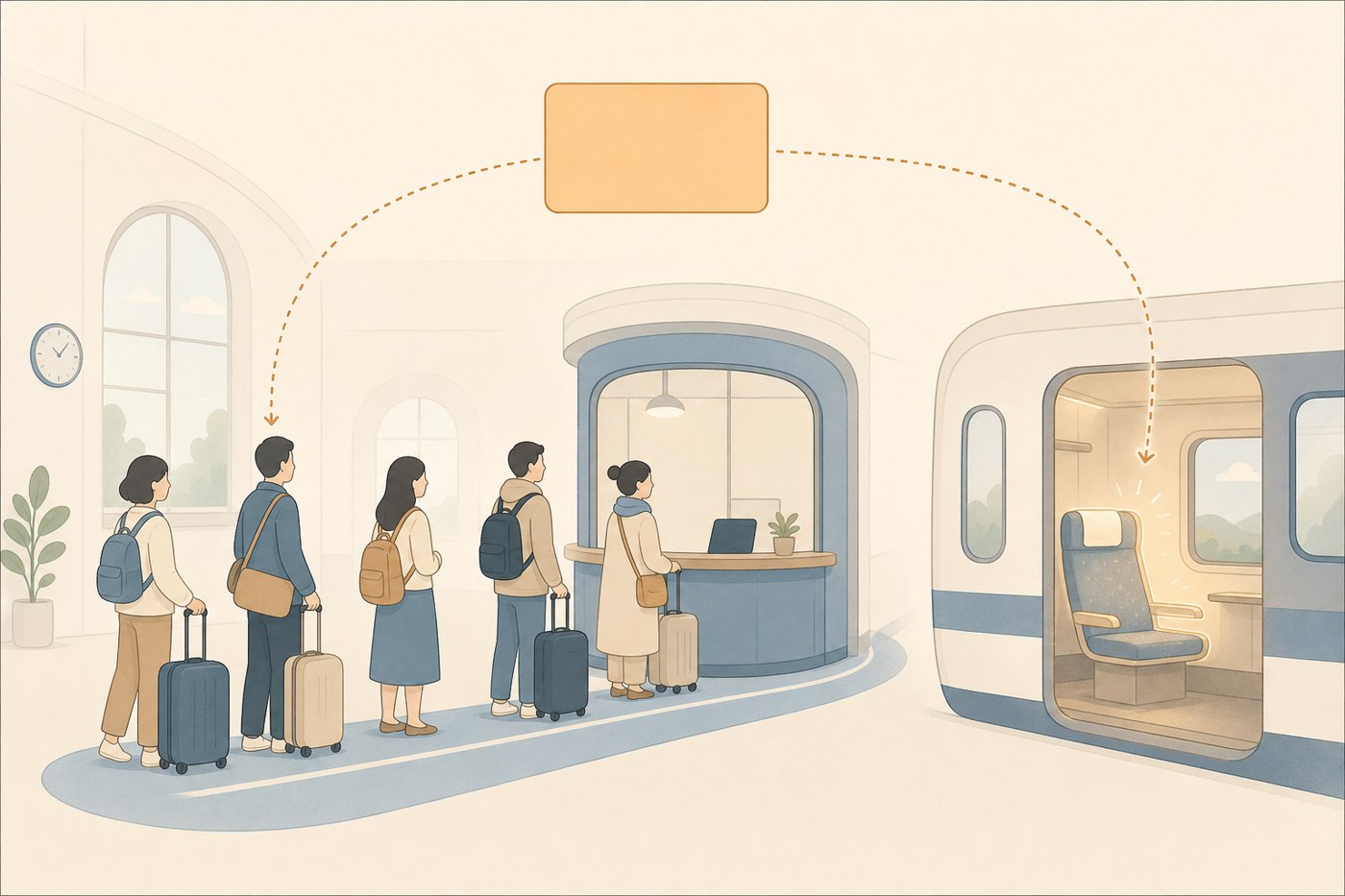
A lesson illustration used to tell a real-world design story
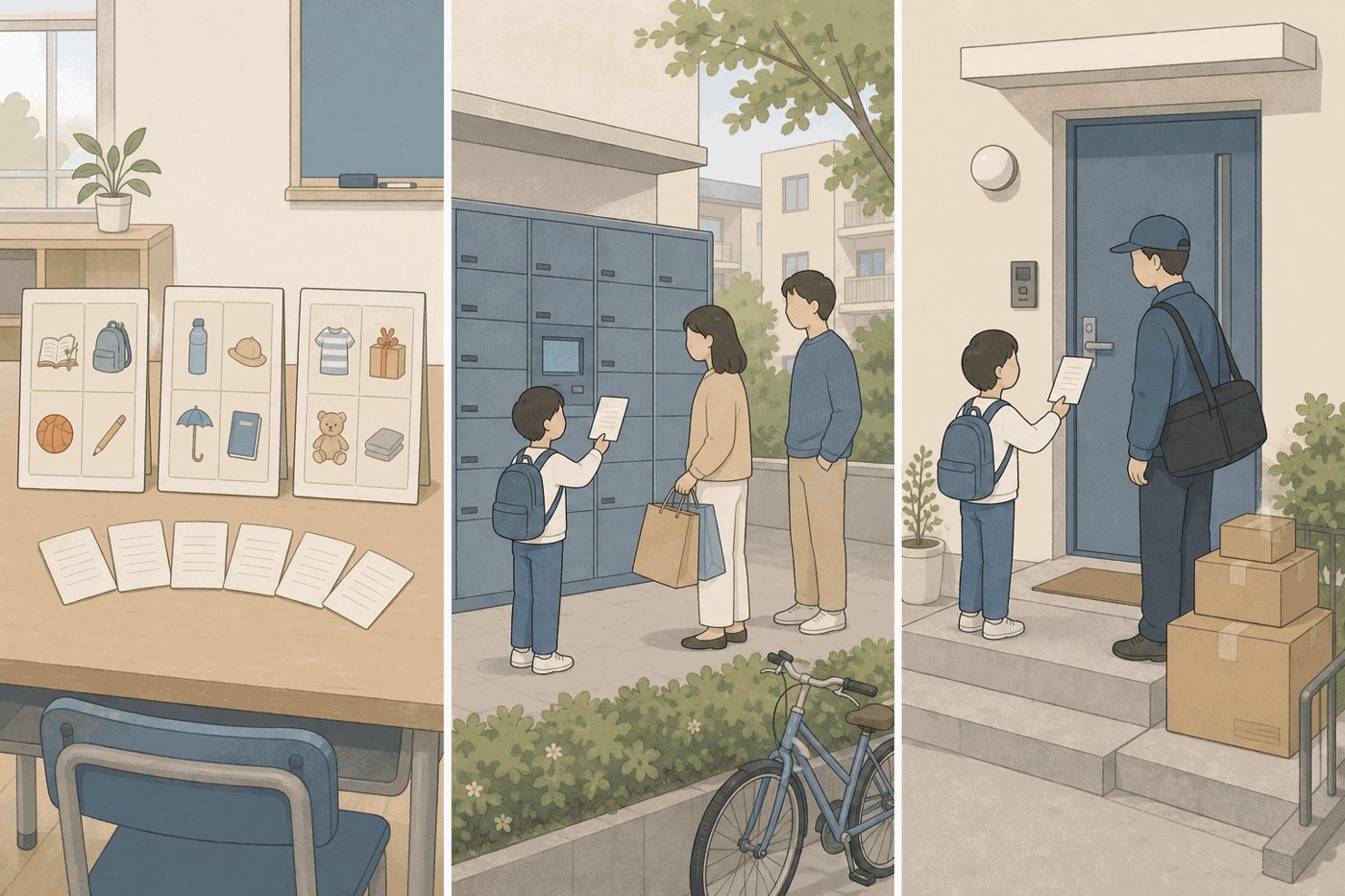
Illustrations from the course package
What the first lessons proved wrong
I wrote down in advance which results would count as failure, and two sessions were enough to rule on them. Starting from an everyday problem and digging deeper, step by step, was exciting in the first session and dull in the second. Adult talk longer than about ten minutes lost the room, and open "why do you think..." questioning made attention collapse. The students had plenty of energy; the format was spending their attention in the wrong place.
Deep reasoning is engagement-gated: it only starts on work the student owns and cares about.
The pivot: make first, think later
From the third session the workshop switched to making games with AI. The classroom now runs like a game master's table: one opening moment, a clear one-two-three task, adults speaking for three to five minutes at most, and walking the room to help where students are stuck. Every game has to be played by real people and get at least one piece of feedback: where did you get stuck, what do you most want added. Games put real users within the empathy distance of this age group: classmates playing your game are real users.
The third session worked. Students did not want to leave, nobody took a break, and teachers, students and the assistant all rated it highly. The fourth session exposed the next problem: about half the class had not yet reached peer playtesting, because they did not yet understand what a prototype or a minimal playable version is. The next sessions teach exactly that, by having students cut their own game down to its skeleton.

Illustration from the course package
Teaching principles I use
- Make the entry invisible and the exit explicit: no method words in front of students, but they can name what they learned at the end.
- Let knowledge grow on the main quest: concepts come up when the game needs them, in the spirit of just-in-time information and stealth assessment.
- Fail first, then teach (productive failure), and drop scaffolds as students gain expertise (expertise reversal).
- Safety for minors by design: topic boundaries, a fixed way to steer back, individual data kept off the cloud, and no internal labels ever shown to students.
My Major Roles & Contributions
I designed the course and the evaluation plan, built the materials, and teach every session. I also run the debriefs with the teaching assistant and keep a cut log that records what we removed, why, on what evidence, and what happened afterwards.
Highlights
×
![]()