For Boaria! A Medieval-Fantasy Card Tactics Roguelike Ongoing
A personal game project: toon animal-folk factions, three-lane auto-advancing card battles, and a Slay the Spire style single-player structure.
2026 - Now, a personal project; solo designer working with AI agents
The game
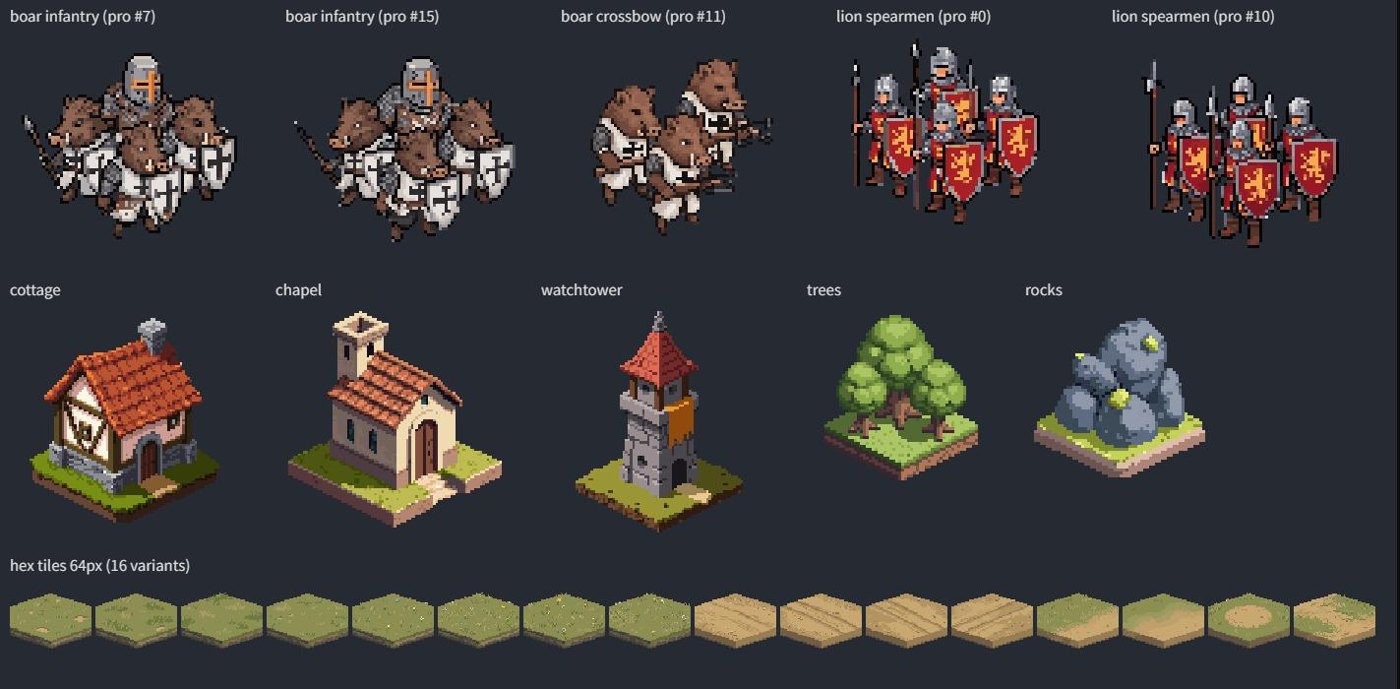
For Boaria! is an indie medieval-fantasy card tactics game I am designing and building. "For Boaria!" is the battle cry of the boar kingdom, a Germanic-flavored faction that is deliberately blurred so it maps to no single real country. Toon animal-folk put a layer of distance between the factions and the real cultures they draw on. I lead every design decision and work with AI agents that turn rulebooks into playable prototypes and run simulations.
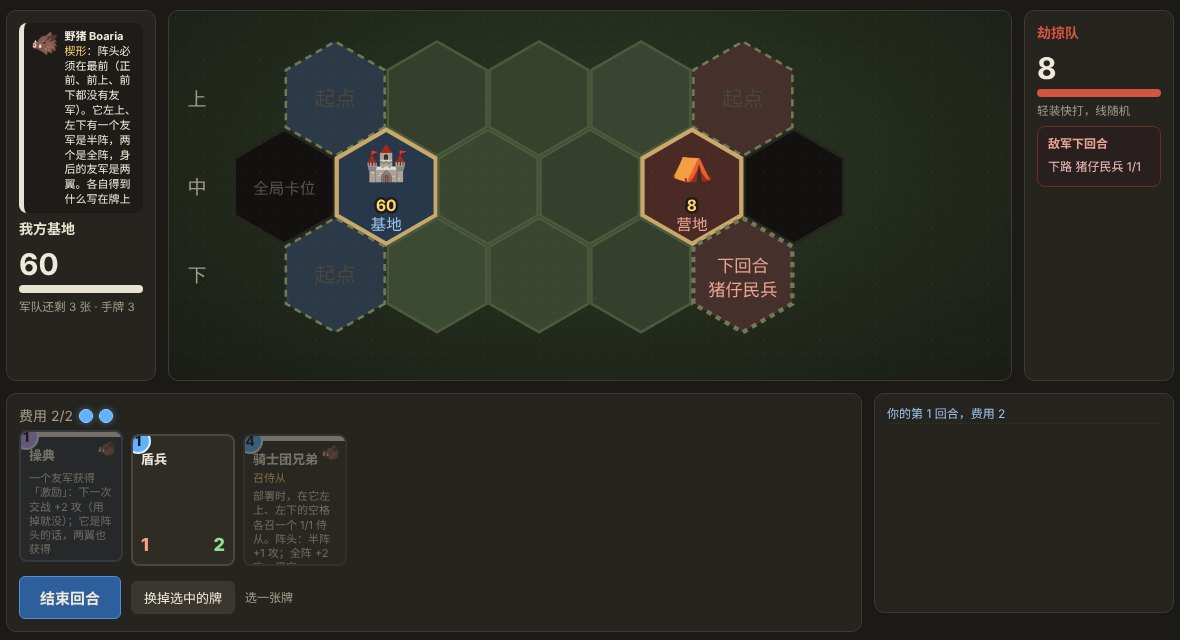
The three-lane battlefield in the current prototype (interface in Chinese)
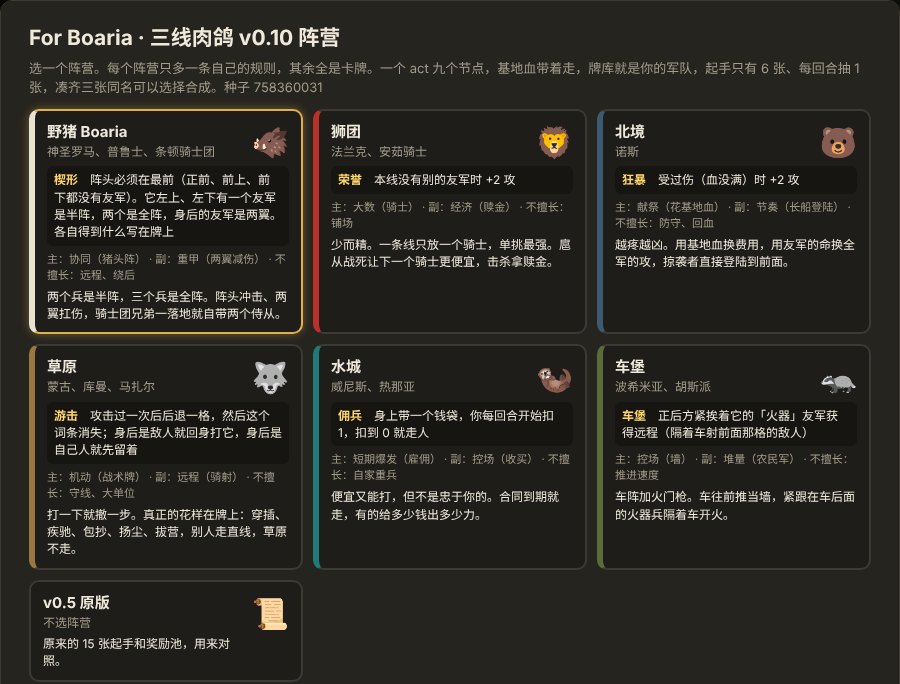
Choosing a faction: each has exactly one core rule
Seven weeks, 24 prototypes
The first 11 versions explored court politics as a card system: playing a faction's cards grows that faction inside your deck, so your hand literally becomes your court. Playtests said it was neither fun nor approachable, so I cut the whole line and kept it untouched as a control. I then set one hard rule for everything after: design for simplicity first, and let depth unfold in layers. After a survey of comparable games, judged by whether they survived in the real market rather than by fame, the game pivoted to a lane-pushing core: deploy units by playing cards, every unit advances one cell per turn, head-on collisions fight. The next day a roguelike version was approved as the MVP baseline.
Every addition must say which decision it saves. Delete a rule rather than patch it.
One example: archers hiding behind the base were farming kills, and a line-of-sight rule patched it. A better fix was to make the starting cell itself the base, so there is nothing behind it. The whole line-of-sight rule disappeared.
Six factions, one rule each
Six factions are playable, each defined by a single core rule while everything else is carried by cards. The boars fight in a wedge, mercenaries leave when their purse runs out, and wagon forts let gunners fire from behind the wall. By version 0.9 the playtest verdict was simply: "Now it is really fun."
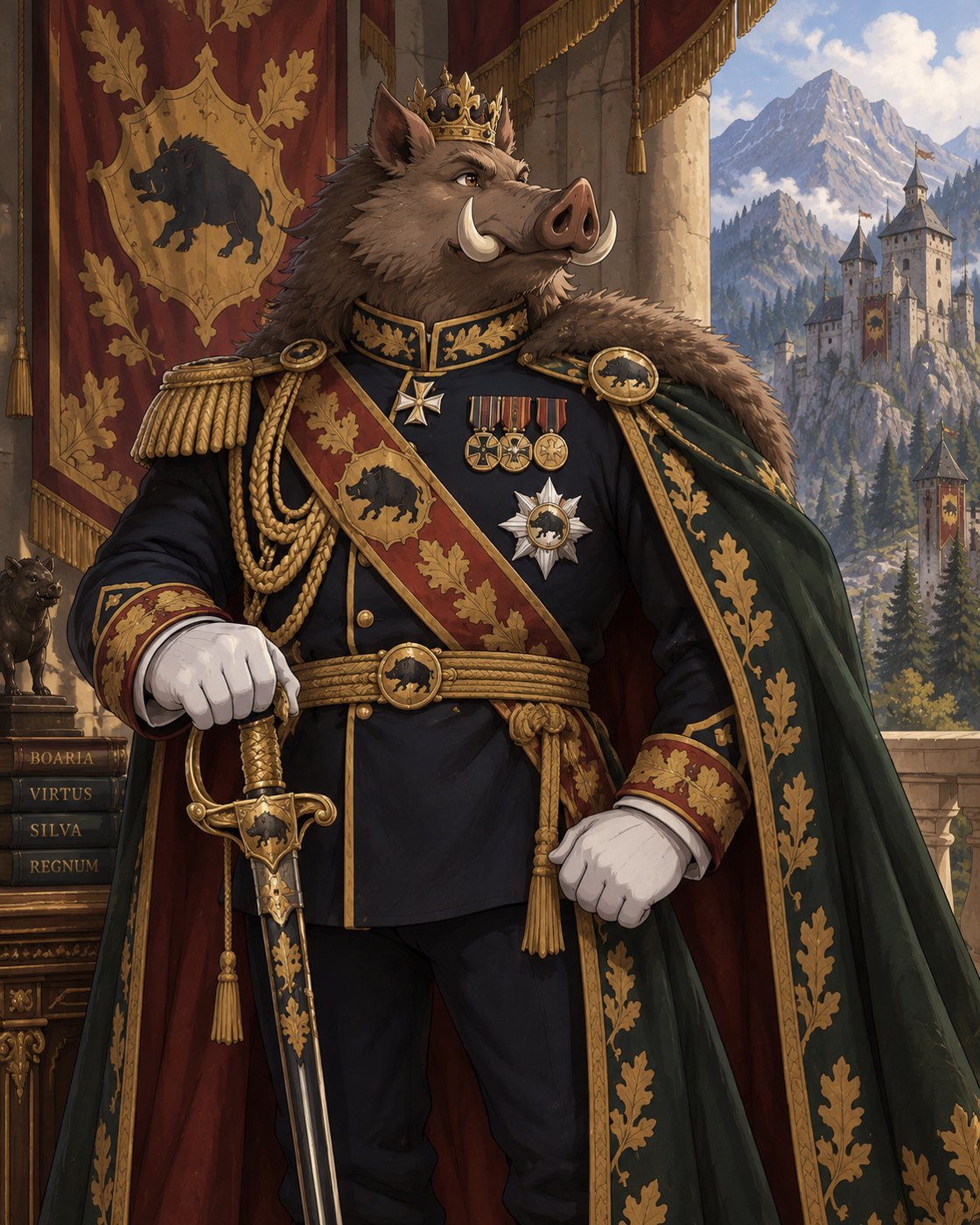
Concept art: the Boaria grand marshal
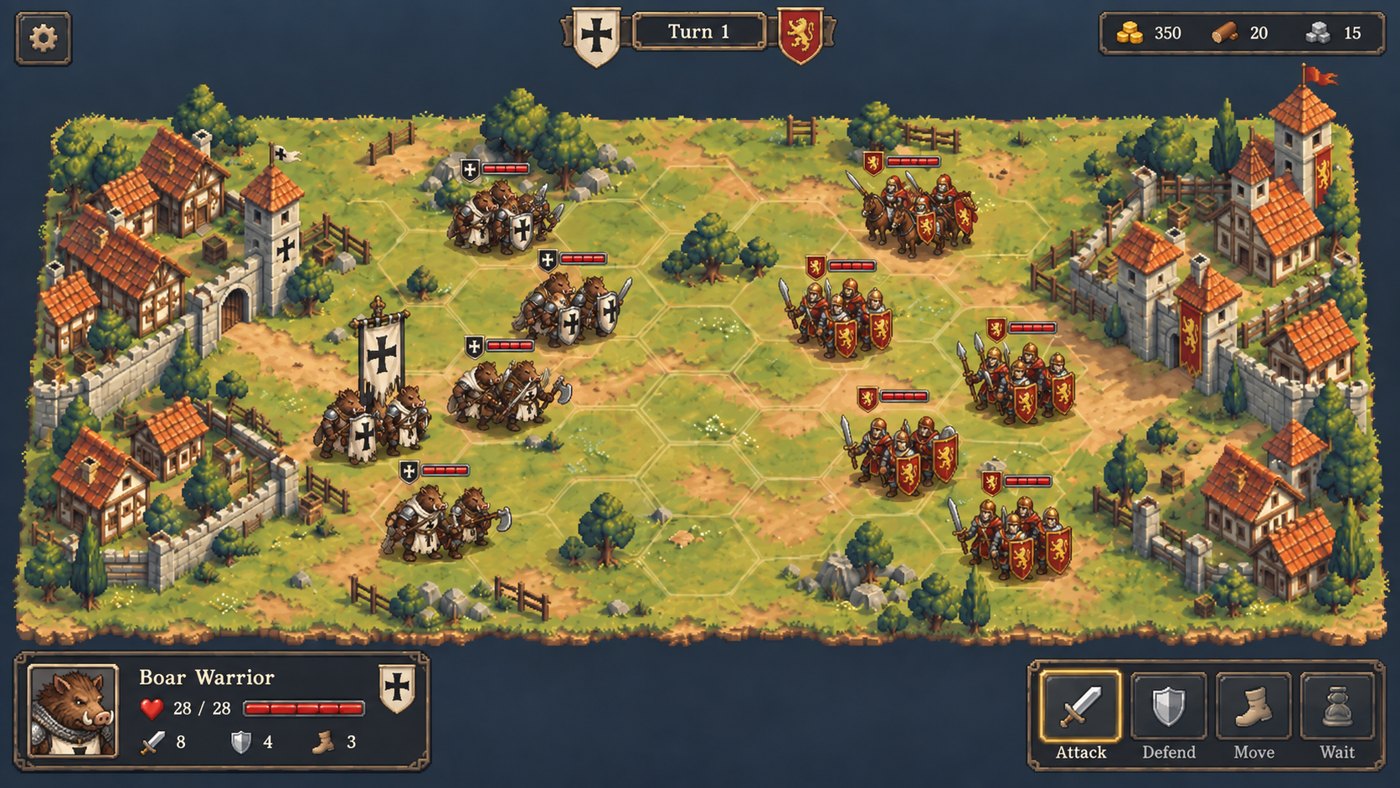
Battlefield mockup
An AI ladder for faction balance
To test balance I built an AI ladder: a heuristic player, one-step lookahead, an evolution-strategies evaluator, Monte Carlo rollout search, and an expert-iteration neural apprentice that learned from about 4,700 expert games and reached the noise ceiling of its own labels. Several hundred thousand simulated matches later, all five AIs agreed on the structural problems to fix next. They also agreed on what they could not judge: maneuvers that need human timing barely worked in AI hands. Simulation checks structure; game feel is for human playtesting.
My Major Roles & Contributions
- Solo designer: world, factions, rules, and every playtest verdict.
- Direct AI agents that write versioned rulebooks, implement playable HTML prototypes, and run headless simulations.
- Designed the balance methodology and the AI ladder; art direction with PixelLab.
Highlights
×
![]()